1. Montrer le processus UX : votre meilleur argument en été
When recruiters scan a summer portfolio, they look for process before polish. A strong portfolio designer numérique conseils approach shows how you think in a digital context, not only how you decorate interfaces. In a competitive design industry, your method is the only part that cannot be copied overnight.
Start by structuring each UX/UI project around a clear narrative that explains the problem, the research, the hypothesis, the solution and the measurable results. This narrative format turns a simple digital mockup into a professional case study that speaks the language of business and product development. It also proves you understand how design decisions impact marketing, services quality and long term company strategy.
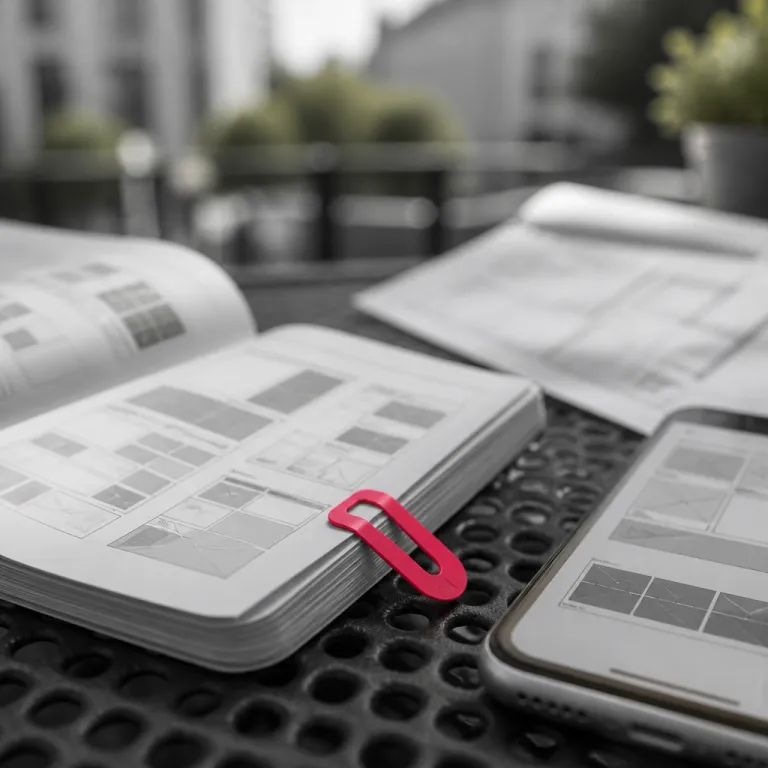
For every project, include low fidelity wireframes, user flows and notes from usability tests to show your experience working with real constraints. These artefacts demonstrate that you can handle design management tasks, collaborate with a cross functional team and adapt to feedback from a demanding service provider or internal stakeholder. Recruiters read this as evidence that you can navigate the current digital landscape and contribute to development digital initiatives from day one.
Do not hide the messy parts of your process, because they reveal your capacity for innovation and critical thinking. Show at least one failed hypothesis per project, then explain how you iterated and which technology or research method helped you correct the course. This level of transparency builds trust and positions your portfolio designer numérique conseils as a reliable indicator of your future track record on complex digital solutions.
2. Structurer des études de cas complètes avec les bons outils UX/UI
A convincing UX/UI portfolio lives or dies by the quality of its case studies. Each project should read like a compact story where design, development and business goals finally align in a coherent digital experience. Think of your portfolio as a curated product, not a random gallery of screens.
Use tools such as Figma, FigJam and Miro to document the full journey from research to interface, then export only the most relevant frames into your portfolio designer numérique conseils. This selective approach shows strong management of information and respects the time of any busy hiring manager in a technology company. When you mention collaboration, be precise about your role in the équipe, the scope of the service you delivered and the constraints of the industry or client.
To make your case studies more tangible, integrate design tokens and explain how they helped you align designers and developers on the same system. A resource such as a detailed article on design tokens as a shared language can inspire how you present this bridge between design and development ensuring consistency. Showing that you understand both the visual layer and the underlying development digital logic reassures any service provider or product team that you can operate across the digital landscape.
Close each case study with a short section on impact, using simple metrics like task success rate, time on task or qualitative feedback from users. Even if you worked on a fictional project, explain how you would measure success in a real business context and which marketing or services indicators would matter. This habit signals that you think like a professional designer who connects UX decisions to company outcomes and long term innovation.
3. Projets personnels d'été : crédibiliser le fictif avec une approche produit
Summer is the perfect season to create personal projects that feel almost as solid as client work. When you lack formal experience, a carefully crafted portfolio designer numérique conseils can still show a strong track record of thinking like a product designer. The key is to treat every personal project as if a real business depended on it.
Start with services you actually use daily, such as a transport app, a public administration website or a small local company booking flow. Perform a structured UX audit, identify friction points and then design digital solutions that address specific pain points for real users. Document this work with screenshots, annotated flows and before after comparisons to show your experience working with existing technology constraints.
To ground your redesigns, run lightweight user interviews or a simple voice of the customer survey with friends and peers. Resources like this analysis of voice of the customer surveys in design can help you frame questions that connect user feedback to design and development decisions. Even a small sample, when analysed well, demonstrates that you understand how to turn qualitative data into actionable digital product improvements.
You can also contribute to open source design systems or non profit projects, which exposes you to real development workflows and remote équipe collaboration. This type of experience working with distributed teams shows recruiters that you can adapt to different service models and company cultures. Over time, these projects build a portfolio designer numérique conseils that proves you can handle both individual initiative and structured project management in a modern digital industry.
4. Spécialisation, détails techniques et posture de designer numérique
Recruiters increasingly look for hybrid profiles who can move across UX research, UI design and light prototyping. Your portfolio designer numérique conseils should therefore highlight a clear thread, whether it is interaction design, motion, accessibility or product strategy. At the same time, it must show enough range to operate in a multidisciplinary digital équipe.
Use one section of your site to explain your positioning in the digital landscape, including the types of services and company environments where you bring the most value. If you lean towards UX research and strategy, emphasise your ability to frame problems, align stakeholders and translate insights into design and development roadmaps. If you are more UI and motion oriented, show how your visual decisions support business goals, marketing narratives and long term product innovation.
The portfolio itself is a live demonstration of your skills, so treat it as a flagship project. Pay attention to responsive behaviour, performance, accessibility and micro interactions, because these details show your understanding of technology and your respect for users. An article such as this analysis of web brutalism as a designer stance can help you reflect on how your visual choices communicate your professional identity in a saturated digital industry.
Finally, use summer to refine your content, not only your visuals, by writing clear project descriptions that connect design decisions to business impact and team collaboration. Mention how you coordinated with development, how you adapted to constraints from a service provider or internal IT, and how you contributed to a strong collective track record. This narrative depth turns your portfolio designer numérique conseils into a strategic tool that speaks to hiring managers, not just fellow designers.
FAQ
How many projects should a junior UX/UI portfolio include in summer ?
For a junior profile, aim for three to five complete case studies that show different aspects of digital design. It is better to present fewer projects with deep process, research and measurable impact than many superficial screens. Recruiters want to see how you think, not how many mockups you can produce in a short time.
Can personal projects replace professional experience in a digital portfolio ?
Personal projects can strongly compensate for limited professional experience when they are treated like real product work. This means starting from a concrete problem, using basic research methods and explaining how your design would support business or services goals. Many companies hire juniors primarily on the strength of such structured personal case studies.
Which tools are essential for building a UX/UI portfolio in design numérique ?
Figma or Sketch for interfaces, FigJam or Miro for flows and research maps, and a simple site builder such as Webflow, Framer or Notion are usually enough. The important point is not the specific technology, but how clearly you present your process and decisions. Choose tools that let you update content quickly during summer while you refine your portfolio designer numérique conseils.
Should I specialise early or show a very broad range of skills ?
At junior level, it helps to show a main focus, such as UX research, product design or UI and motion, while still demonstrating basic competence across the full digital product cycle. Recruiters appreciate a clear thread, because it makes it easier to place you in a team and plan your development. Use one section of your portfolio to explain your current focus and how you want to grow in the design industry.
How important is the visual design of the portfolio itself for recruiters ?
The portfolio is often the first digital experience a recruiter has with your work, so its design matters as much as the projects inside. A clean, fast, accessible site with clear navigation shows strong design judgment and respect for users. However, clarity of content and depth of case studies still outweigh purely aesthetic effects when hiring for UX/UI roles.