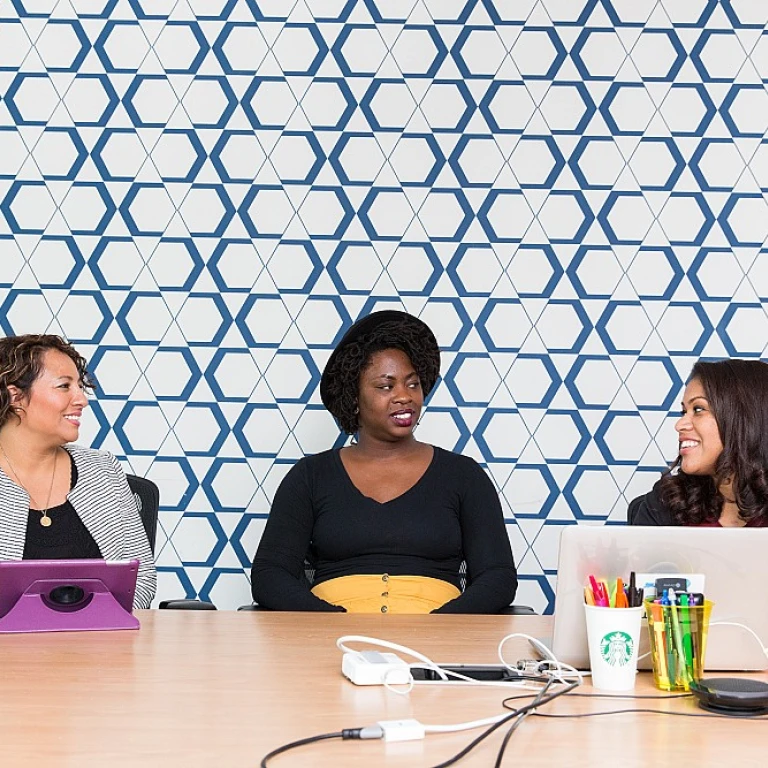
Understanding the need for change in design practices
Why Sustainable Design Practices Matter Today
Designers are increasingly facing pressure to move away from disposable solutions and embrace more sustainable, long-lasting approaches. This shift is not just about environmental responsibility; it’s also about responding to evolving user expectations and industry standards. As more individuals and organizations recognize the impact of design choices on both people and the planet, the need for change becomes undeniable.
Traditional design practices often prioritize speed and cost over durability and user well-being. However, this mindset can lead to products and services that quickly become obsolete or fail to meet real user needs. Sustainable design, on the other hand, focuses on creating value that endures—minimizing waste, maximizing usability, and considering the full lifecycle of a product or service.
Recognizing the Signs That Change Is Needed
- Increased user demand for ethical and eco-friendly solutions
- Rising costs associated with frequent redesigns or product failures
- Regulatory and industry shifts toward sustainability standards
- Growing awareness of the environmental impact of design decisions
Understanding these signals is the first step toward transforming your design practices. It’s not just about adopting new materials or processes; it’s about rethinking your entire approach to problem-solving and value creation. This transformation often starts with a willingness to question established habits and seek out new perspectives.
For those looking to deepen their understanding of how communication and documentation can support this transition, exploring better design communication through effective documentation is a valuable resource. Clear communication helps teams align on sustainable goals and ensures that everyone is working toward the same vision.
As you move forward, consider how adopting a growth mindset, integrating user feedback, and collaborating across disciplines can further support your journey from disposable to durable design.
Adopting a growth mindset in your design process
Embracing Adaptability in Your Creative Workflow
Transitioning from disposable to sustainable design demands more than just new tools or techniques. It requires a shift in mindset. Designers who cultivate adaptability and openness to change are better equipped to meet evolving user needs and industry standards. This approach not only improves the quality of outcomes but also supports long-term professional growth.
- Challenge assumptions: Question established routines and be willing to experiment with alternative approaches. This can reveal more sustainable solutions and foster innovation.
- Welcome constructive critique: Feedback, whether from users or peers, is an opportunity to refine your process. Embracing critique helps you identify blind spots and encourages continuous improvement.
- Iterate with purpose: Treat each project as a learning experience. Rapid prototyping and thumbnail sketches, for example, allow you to explore ideas quickly and efficiently. For a deeper dive into how thumbnail sketches can enhance your design process, check out this resource on the role of thumbnail sketches.
By fostering a growth mindset, you lay the foundation for integrating user feedback, collaborating effectively, and leveraging new technologies. This mindset shift is essential for anyone aiming to move from short-lived solutions to truly durable design practices.
Integrating user feedback effectively
Turning Feedback into Actionable Insights
Designers aiming for sustainable impact must move beyond simply collecting user feedback. The real value lies in transforming this feedback into meaningful improvements for your product part. This approach not only enhances the user experience but also supports the shift from disposable to durable design practices.
- Establish clear feedback channels: Use surveys, interviews, and usability tests to gather diverse perspectives. Make it easy for users to share their thoughts at different stages of the design process.
- Analyze feedback systematically: Categorize comments to identify recurring themes and pain points. This helps prioritize changes that will have the most significant impact.
- Close the feedback loop: Communicate updates and improvements to users, showing that their input directly shapes the product. This builds trust and encourages ongoing engagement.
Integrating user feedback is not just about fixing issues—it's about fostering a culture of continuous improvement. By collaborating with users, designers can create solutions that are both innovative and resilient. For those interested in seeing how this approach is applied in real-world settings, exploring UX design companies in Luxembourg offers valuable insights into best practices and emerging trends.
Ultimately, making feedback a core part of your design process ensures that your work remains relevant, user-centered, and built to last.
Collaborating across disciplines
Why Cross-Disciplinary Collaboration Matters
Design rarely happens in isolation. Today’s most impactful projects are shaped by the collective expertise of diverse teams. When designers, developers, marketers, and product managers work together, they bring unique perspectives that can elevate the final outcome. This approach not only enhances creativity but also ensures that solutions are robust and user-centric.
Strategies for Effective Teamwork
- Establish clear communication channels: Use collaborative platforms to keep everyone informed and engaged. Transparency helps avoid misunderstandings and streamlines decision-making.
- Define roles and responsibilities: Clarifying each team member’s contribution prevents overlap and ensures accountability throughout the design process.
- Encourage open feedback: Constructive criticism from different disciplines can reveal blind spots and inspire innovation. Make feedback sessions a regular part of your workflow.
- Share knowledge and resources: Cross-training or sharing insights about tools and techniques can build mutual respect and foster a culture of continuous learning.
Overcoming Common Collaboration Challenges
While collaboration offers many benefits, it can also introduce challenges such as conflicting priorities or communication gaps. Address these by setting shared goals early and revisiting them regularly. Use visual aids, like mood boards or prototypes, to align understanding and expectations. Remember, the goal is to create a seamless experience for users, not just to satisfy internal stakeholders.
Real-World Impact
Organizations that prioritize cross-disciplinary collaboration often see improved project outcomes, faster problem-solving, and greater innovation. By integrating these practices into your workflow, you contribute to more sustainable and durable design solutions, aligning with the broader shift from disposable to lasting design approaches.
Leveraging new tools and technologies
Embracing Innovation Without Losing Sight of Purpose
Design is evolving at a rapid pace, and staying relevant means being open to new tools and technologies. However, it’s not just about chasing the latest trends. It’s about selecting solutions that genuinely enhance your workflow and align with your sustainability goals. When integrating new design tools, always consider their impact on your process and the longevity of your creations.
- Cloud-based collaboration platforms can streamline teamwork, especially when working across disciplines. They help maintain version control and ensure everyone is on the same page.
- Prototyping software allows for quick iterations and user testing, making it easier to gather feedback and refine your product_part efficiently.
- AI-powered design assistants can automate repetitive tasks, freeing up time for more strategic thinking and creative exploration.
When evaluating new technologies, focus on those that support your commitment to durability and responsible design. For example, tools that help track material usage or measure environmental impact can be invaluable for teams aiming to move from disposable to sustainable practices.
Remember, adopting new tools is most effective when combined with a growth mindset and a willingness to learn continuously. This approach ensures that technology serves your design vision, rather than dictating it.
Building a habit of continuous learning
Embedding Learning into Everyday Design
Design is an ever-evolving field, and staying relevant means making learning a core part of your routine. While adopting new tools and collaborating with diverse teams are crucial, the real shift happens when continuous learning becomes second nature. This approach not only sharpens your skills but also ensures your work remains impactful and sustainable.
- Set aside regular time for research: Dedicate a few minutes each week to explore new trends, materials, or methods. This habit helps you spot opportunities to improve your product_part and integrate sustainable practices.
- Reflect on past projects: After completing a design, take time to review what worked and what didn’t. Documenting these insights builds a personal knowledge base you can draw from in future work.
- Participate in design communities: Engaging with peers—whether online or in person—exposes you to fresh perspectives and challenges your assumptions. Forums, webinars, and workshops are great places to exchange ideas and learn from others’ experiences.
- Experiment with new techniques: Don’t hesitate to test out unfamiliar approaches, even on small projects. Experimentation fosters creativity and helps you discover more durable solutions.
- Seek feedback regularly: As discussed earlier, integrating user feedback is vital. Make it a habit to ask for input not just from users, but also from colleagues in other disciplines. This broadens your understanding and highlights areas for growth.
By embedding these practices into your daily workflow, you create a culture of continuous improvement. This mindset not only benefits your own development but also elevates the quality and sustainability of your design outcomes. The journey from disposable to durable design is ongoing—embrace learning as your constant companion.